





|
|
 |
 |
 |
 |
 |
 |
 |
 |
 |
 |
 |
 |
 |
 |
 |
 |
 |
 |
 |
 |
 |
 |
 |
 |
Recipes from other countries |
 |
Travel in Asia |
| Worldcook's NONYA RECIPES |
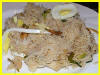 Mee siam |
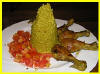
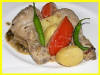 Ayam kurma |
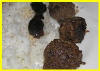 Hati babi bungkus |
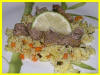 Lemon pork |
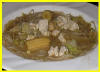 Laksa lemak |
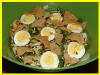 Jaganan |
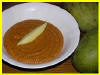 Green mango sambal |
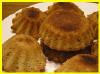 Kuih bahulu |
||||||||||
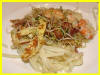 Nonya mee |
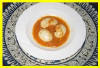 Sambal goreng telor |
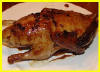 Itek sio |
|||||||||||||||
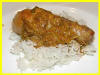 Chicken kapitan |
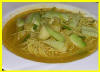 Penang asam laksa |
||||||||||||||||
|
Nonya cuisine is an excellent
example of fusion cooking, based on Chinese
and Malaysian
cooking but also with
Indonesian,
Portuguese,
Indian and
Thai traces, and
can be found in Malaysia
and
Singapore. Already more than 500 years ago, during
the Ming Dynasty, Princess Hang Li Po, the daughter of Yongle, the Emperor
of China,
was married to the Sultan of Malacca, Mansur Shah. Malacca was already a
flourishing port back then. The princess brought five hundred
Chinese men
with her, and most of them got married to
Malay women.
The men were called Baba, the women Nyonya or Nonya. Nonya means woman in
the Chinese
Hokkien dialect. Baba means father in many countries
and even in
Bangladesh
the word baba is used as such. |
|||||||||||||||||